Tea is one of the most popular beverages in the world, with a rich history and culture. Its production and consumption are diverse, and depending on the region, processing method, and traditions, tea can have many different characteristics. In this article, we will examine how Chinese tea differs from teas from other countries and highlight the features that make it truly unique.
The history of tea in China
Chinese tea culture dates back thousands of years. According to legend, tea was discovered by the legendary Emperor Shen Nong around 2737 BC, when several leaves from a tea tree accidentally fell into a pot of boiling water. This accidental experiment introduced the world to an amazing drink that quickly became an integral part of Chinese life.
The role of tea in Chinese culture
Tea in China is not just a drink. It is a ritual, an art, and a philosophy. Tea is also an everyday part of life.
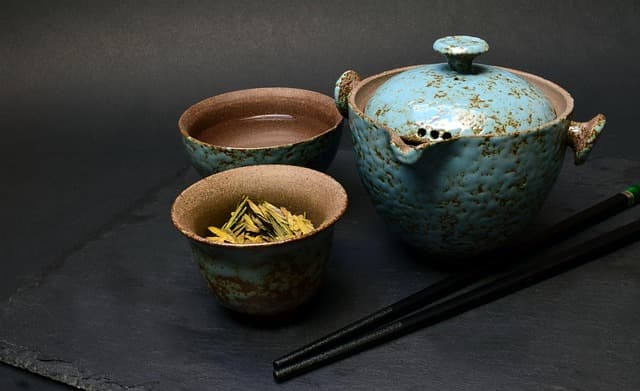
Tea ceremonies convey a deep respect for nature and the labor that goes into each leaf. Brewing tea in the traditional style is a path to harmony and meditation, where every detail of the process matters. Tea plays a key role in family gatherings, important negotiations, and cultural events.
The diversity of Chinese tea
Chinese tea is known for its enormous variety. We are accustomed to the European division into black and green teas, invented by the British when they first encountered tea, based on the color of the leaves. However, the Chinese and correct classification is based on the color of the infusion and the production technology:
- White tea — delicate and refined, with minimal processing.
- Green tea — refreshing and grassy, retains the natural properties of the leaf.
- Yellow tea is rare and exclusive, with a mild and sweet taste.
- Oolong (turquoise tea) is semi-fermented, with a bright aroma and complex taste.
- Red (black) tea — rich and sweetish, ideal for warming up.
- Black tea Hei Cha and Pu-erh — fully fermented, with a deep and multifaceted palette, their taste changes over the years.
Tea from other countries
The tea traditions of other countries are also noteworthy. India, Japan, and Sri Lanka all produce their own unique varieties, which differ from Chinese teas in terms of climate, terroir, and production techniques.
Indian tea
India is famous for its strong and rich teas, such as Assam and Darjeeling. Assam has a powerful and tart taste, ideal for making masala tea. Darjeeling is prized for its floral and nutmeg notes and refined taste, which has earned it the nickname “tea champagne.”
Japanese tea
Japanese teas, such as Sencha and Matcha, focus on freshness and umami. Sencha is processed using steam, which gives the tea its characteristic grassy flavor. Matcha is also a green tea, traditionally powdered, and is used in ceremonies. The Japanese tea ceremony emphasizes aesthetics and minimalism, highlighting the beauty of each element of the process.
Ceylon tea (Sri Lanka)
Ceylon tea is known for its citrus notes and brightness. Ceylon black teas are especially popular outside of Sri Lanka and are often used in blends for English tea drinking.
Processing
Chinese teas undergo complex processing that emphasizes their natural characteristics. Green teas are pan-fired or steamed to preserve their freshness, while black teas undergo a full fermentation cycle, which gives them depth of flavor. Oolongs, which fall between green and black teas, exhibit unique profiles thanks to controlled fermentation.