Chinese New Year is not only a vibrant celebration, but also an opportunity to attract good luck and financial prosperity. Prepare dishes that have symbolic meaning and make your holiday truly special.
- Dumplings — a symbol of wealth
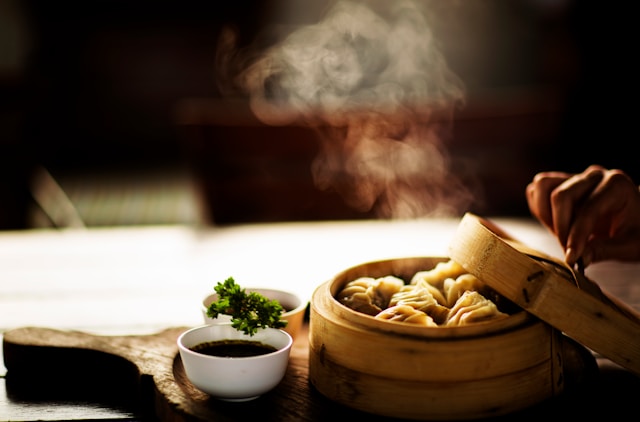
Chinese dumplings (jiaozi) resemble the shape of ancient gold bars. Their preparation is considered a family tradition, as making dumplings on New Year’s Eve symbolizes attracting wealth into the home. To enhance the effect, a coin is placed in some dumplings, promising good luck for the whole year to whoever finds it.
- Fish — good luck in all areas of life
In China, fish is a must-have dish on the festive table, as the word “fish” (鱼, yú) is consonant with the word “prosperity.” It is served whole, symbolizing unity and harmony in the family. It is recommended to steam or bake fish, adding traditional spices such as ginger, soy sauce, and green onions.
- Longevity noodles
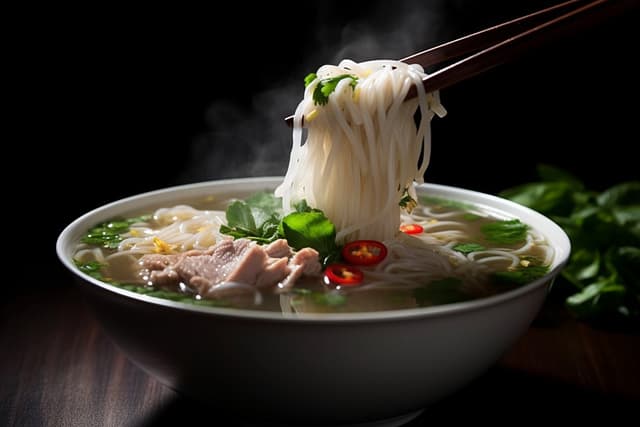
Long noodles are another symbol that promises a long and happy life. Their peculiarity is that they cannot be cut, because the length of the noodles is associated with longevity.
- Mandarins and oranges — a symbol of happiness and wealth
Citrus fruits occupy a special place on the New Year’s table in China, as their golden color is associated with wealth, and their round shape symbolizes perfection. This is an affordable and very simple way to add symbolism to the holiday — just arrange the fruit beautifully on the table or even use it in desserts.
- Spring rolls — symbolize gold
Spring rolls, which resemble gold bars, are another dish that symbolizes wealth. They can be filled with vegetables, shrimp, or even sweet ingredients. At home, they can be deep-fried or baked in the oven. This is a great idea for a festive table that will impress your guests.
- Sweets for joy and good mood
In China, it is believed that sweets on the festive table bring joy and harmony to life. For example, traditional rice balls called tangyuan symbolize family unity.