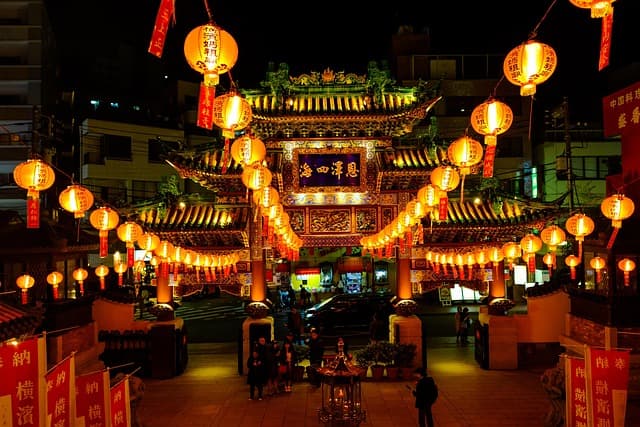
Calgary’s Chinatown isn’t just red lights and tourist spots: it’s a vibrant culinary district with dozens of family-run establishments, street stalls, and “secret” food court stands that have been feeding the city for decades. With recent renovations and art projects, the area is attracting attention again — and if you stroll through the streets, you’ll stumble upon places that serve truly delicious and authentic food at low prices. The city guide and BIA directly advise looking at “inner courtyards” and food courts — there are many hidden gems there.
- Silver Dragon — dim sum and old school (not always “hidden,” but surprising in its resilience)
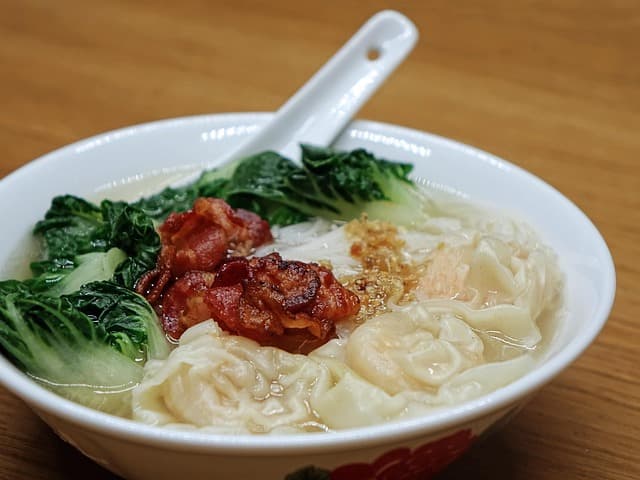
Why it surprises: Silver Dragon is one of the legendary restaurants in the area, operating since 1966 and remaining a mainstay of Chinatown: a large hall, classic dim sum carts, and a menu in the spirit of the good old “Cantonese school.” For many tourists, it comes as a surprise: in the center of a modern city, there is a restaurant with an almost “family” atmosphere and generous portions.
What to try: dim sum at lunchtime, ginger beef, and seafood dishes — they are often praised in reviews. Tips: come for dim sum during the day to catch the carts.
- Happy Veggie House — a food court find for vegetarians
Why it’s surprising: This is a small stand/bench in Chinatown’s food court, offering vegetarian versions of classic Chinese dishes — and according to reviews, they are really tasty and inexpensive. Many local bloggers refer to it as a “hidden” gem because it is not conspicuous from the street but regularly attracts regular customers.
What to try: the vegetarian “light combo,” beans, roasted vegetables, and adapted versions of local favorites. Suitable for those who want authentic Asian food without meat.
- Great Taste / Ho Won — family restaurants with a local reputation
Why they are surprising: these places are often mentioned in conversations among local foodies and in Facebook groups about food in Calgary — people write about the unexpectedly high quality of the dishes (for example, salt & pepper squid at Ho Won or the “hearty” portions at Great Taste). They are not always at the top of tourist guides, but are actively recommended by locals.
What to try: Seafood (salt & pepper squid), noodles with seafood, and classic Cantonese dishes. These restaurants are great for large groups and family dinners.
- Small shops and standing spots (Bánh Mì Thi-Thi and other street favorites)
Why they are surprising: Chinatown is not only full-service restaurants: there are banh mi stalls, canteens, and to-go spots that are memorable for their simple but balanced flavors. A classic example is Bánh Mì Thi-Thi, which locals write about as one of the “must try” places in the area. Such places are often crowded — and that’s a sure sign of quality.
What to try: banh mi, small soup spots, and street desserts—these are often where you’ll find the “flavor” of the neighborhood.
- Food maps, festivals, and Taste of Chinatown—how to find hidden gems
Why it’s important: Calgary Chinatown BIA regularly holds promotions and special programs (including Taste of Chinatown with $5 dishes) featuring small establishments and up-and-coming chefs — a great opportunity to try lots of things and find your favorite places. These events often reveal hidden gems that later become local hits.
Tips: Keep an eye on the Chinatown BIA poster and local Instagram pages, where temporary promotions and pop-up spots are announced.
Art and context: why the neighborhood is coming alive (the “Along the Bow” mural and public art)
Checking out restaurants works better in the context of the neighborhood: in recent years, several large murals (Along the Bow, Bianjing Gate, etc.) have appeared in Chinatown on the initiative of local artists and organizations, helping to bring back the flow of people and providing new photo spots near cafes and shops. This is not just decoration — art attracts visitors, and interesting gastronomic spots often appear next to murals.
Conclusion — what makes Calgary’s Chinatown so surprising
Calgary’s Chinatown is a mix of historic “old school” establishments (restaurants that have been around for decades) and new, small-scale projects: food courts, pop-up shops, and pop-ups. The most memorable places are often not on the first pages of Google, but in local directories, on BIA posters, and in conversations with residents. If you want to get a feel for the neighborhood, plan a walking tour, visit restaurants lit by lamps, try food at small stands, and look for lines—that’s where the most delicious discoveries are often hidden.