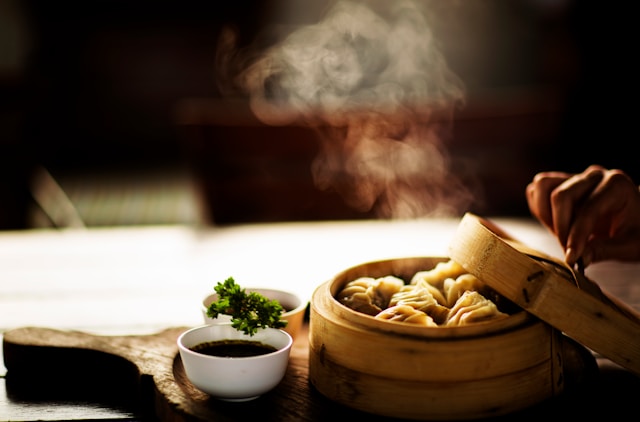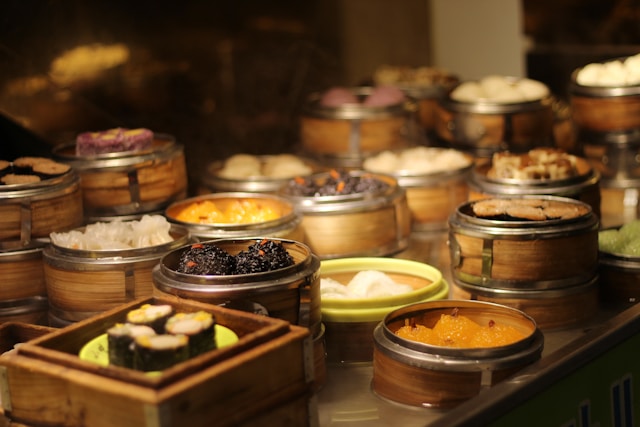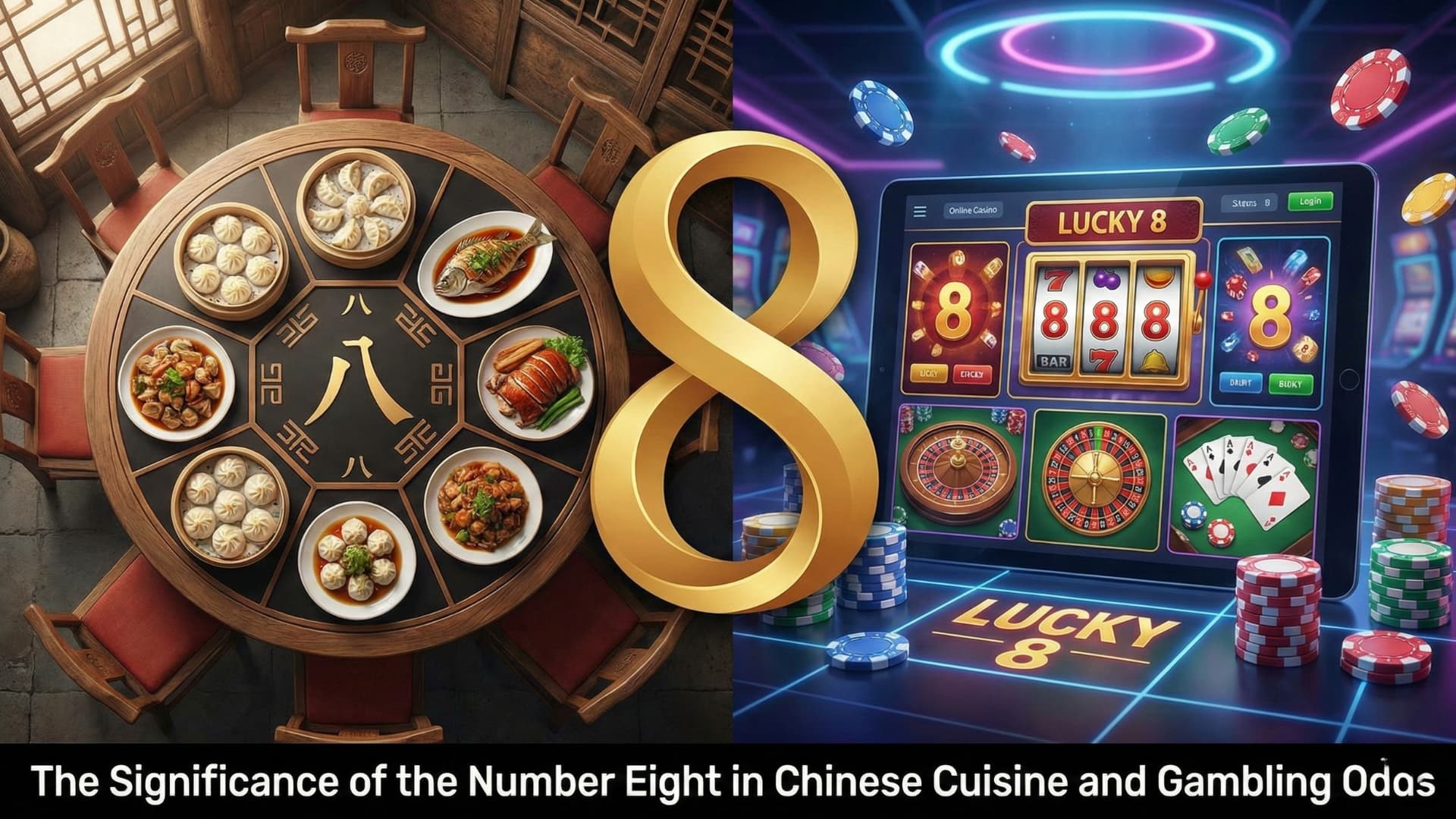
You walk into a dim sum place in Toronto’s Chinatown and the menu prices look off somehow. Dumplings are $8.88. Not $9, not $8.50. The banquet deal comes with eight courses, never seven or nine. People send wedding invites on the eighth of August. Once you clock it, eights are absolutely everywhere.
This isn’t random. Chinese culture treats the number eight like it has actual magic in it. It affects menu pricing, business deals, betting habits, you name it. And it all comes down to a linguistic accident. When you say “eight” in Mandarin or Cantonese (八, sounds like “ba” or “paat”), it sounds damn near identical to words meaning wealth and prosperity (發, “fa” or “faat”). That’s it. One coincidence of pronunciation turned eight into the most powerful number in the culture, and now it’s everywhere from restaurant kitchens to poker tables.
The Linguistic Foundation of Eight’s Power
Most Western number superstitions have some story behind them. Friday the 13th, 666, that kind of thing. Chinese number beliefs are different. They live inside the language itself. Every time you say “eight,” you’re essentially saying something that sounds like “getting rich.” The number becomes this constant reminder of good fortune just through repetition.
And people take it seriously. The 2008 Beijing Olympics started at 8:08 PM on 08/08/08. Not approximately 8 PM. Exactly 8:08. Phone numbers with a bunch of eights in them sell for stupid money in China and Chinese communities around the world. Like, car-level money. Just for a phone number. License plates with eights go for premiums that make absolutely no sense unless you understand what’s happening. But once you get it, you realize people aren’t being irrational. They’re buying a little piece of linguistic luck.
Eight’s Presence in Traditional Chinese Banquets
Chinese weddings stick to eight courses. Always. It’s not some loose guideline, it’s the standard. Eight courses gives you enough variety to show off what the chef can do while packing in all that prosperity symbolism. Nobody questions it.
The dishes themselves matter just as much as the count. Lots of banquets serve “Eight Treasure Rice,” which is basically sweet sticky rice loaded with eight different things: lotus seeds, red dates, dried longan, raisins, candied winter melon, red bean paste, plus whatever nuts they throw in. Each ingredient has its own meaning, but putting exactly eight of them together multiplies the whole luck factor.
Different regions have their versions. Cantonese cooking does “Eight Treasure Duck.” Sichuan has “Eight Treasure Spicy Sauce.” These aren’t recipes where someone counted the ingredients afterward and got lucky. Chefs build them around the number on purpose. They know diners care about the symbolism as much as the taste.
Restaurant Practices and the Number Eight
Restaurants in Chinese communities don’t just use eight in the food. It shows up everywhere. Look at the prices. A dish costs $18.88 instead of $19 even. Another one’s $28 instead of $30. It’s not superstition exactly, more like signaling. Chinese customers see those prices and know the restaurant gets it. The owners understand the culture.
Table setups follow the pattern too. Big restaurants love round tables that seat eight people. It’s the perfect size for passing dishes around family style, plus you get the auspicious number working for you. Private rooms get configured for eight diners, or sixteen, or twenty four. Multiples whenever they can manage it.
Some places go harder. They open on August 8th. They run promotions on the eighth of every month. A grand opening on a date stacked with eights tells everyone what the owners are going for. They’re building the business on a foundation of prosperity, right from day one.
Eight in Chinese Gambling Culture
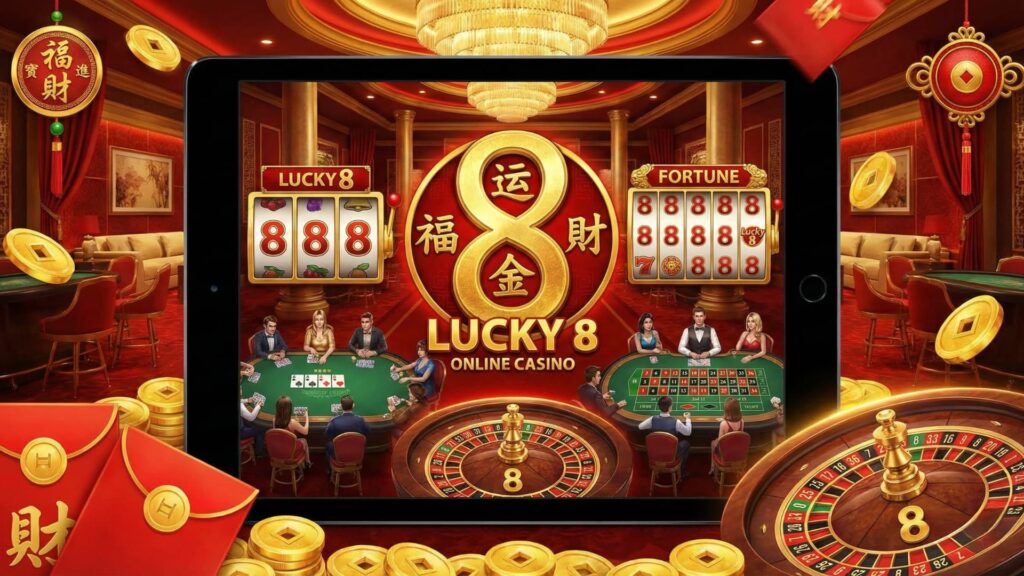
Gambling and the number eight go together like, well, like eight and prosperity. Chinese players hunt for connections to the number everywhere they can find them. Casinos in Macau and Singapore figured this out fast. Their buildings skip the fourth floor entirely (four sounds like death in Chinese, so that’s a hard no), but they make a big deal out of eighth floors and any section they can label with an eight.
Watch Chinese gamblers bet and you’ll see the pattern. They put down money in increments of eight. They pick numbers that add up to eight. Some people bet on red or black eight times straight at roulette, stacking the lucky number with red (also lucky in Chinese culture). It’s strategy and superstition blended together.
Lotteries show this even clearer. In Chinese communities, numbers loaded with eights get played so hard that the payout actually drops because too many people pick the same thing. Hong Kong’s Mark Six lottery sees massive action on 8, 18, 28, 38. Every single draw.
Common ways Chinese gamblers work eight into their play:
- Bet amounts of $8, $88, or $888
- Hunt for slot machines in the eighth row or eighth position
- Sit at baccarat tables numbered with eights
- Time their bets for exactly 8:08 on the clock
- Pick lottery numbers that add up to eight
- Play eight rounds in a row at the same table
The Psychology Behind Number Preferences
Researchers who study gambling have looked into why people stick with cultural number preferences even though the math doesn’t care. Turns out the comfort factor actually matters. When Chinese gamblers use their lucky numbers, they feel better about the whole experience. The odds stay exactly the same, but the psychological boost is real.
And that psychological piece counts for more than the statistics alone would tell you. Chinese gamblers betting on eights aren’t just chasing wins. They’re participating in something bigger, connecting to traditions that go back generations. The number links them to their heritage and community. It transforms random chance into something that feels meaningful.
Casinos aren’t stupid. They’ve caught on. Places that cater to Chinese high rollers bend over backward to accommodate number preferences. They know that matching the environment to cultural beliefs keeps customers happy and loyal. Asian gaming markets have proven over and over that building eights into casino design pays off. It’s not charity, it’s smart business.
Cultural Continuity in Diaspora Communities
Chinese communities all over North America keep the eight tradition alive. Toronto’s Chinatown restaurants still do the banquet thing with eight courses. Bakeries price mooncakes at $8.88 or $18.88. Real estate agents know that if they’re selling to Chinese buyers, they better highlight any address with an eight in it.
What’s interesting is how this sticks even with second and third-generation Chinese Canadians. Lots of them don’t speak Mandarin or Cantonese at all, but they still know eight matters. The knowledge gets passed down through family stuff and community events, no formal lessons needed.
It happens naturally. Kid goes to a wedding banquet, sees eight courses, files that away without thinking about it. Teenager helps out at the family restaurant, starts understanding why everything costs $8.88 or $28. These little everyday moments build the significance of eight into your identity. Nobody sits you down for a lecture.
The way eight shows up in both food and gambling shows how one cultural thing can spread into everything. It starts with language, just how a word sounds, and somehow it ends up organizing how people plan menus and place bets. Across Chinese communities worldwide, eight keeps its reputation. Whether you see it on a dim sum menu or a stack of casino chips, the promise is the same: prosperity.