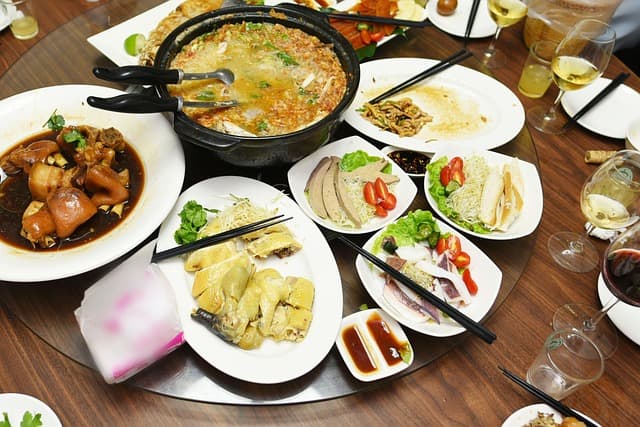
Chinese cuisine is not a single “monolithic cuisine,” but a deep and multi-layered combination of numerous regional gastronomic systems, each of which reflects the natural conditions, historical development, ethnic characteristics, and gastronomic traditions of its locality. In particular, it is customary to distinguish the “Eight Great Culinary Traditions” (八大菜系, bā dà càixì), among which the most famous are: Sichuan cuisine (川菜), Cantonese cuisine (粤菜), Shandong cuisine (鲁菜), Jiangsu cuisine (苏菜), Zhejiang cuisine (浙菜), Fujian cuisine (闽菜), Hunan cuisine (湘菜), and Anhui cuisine (徽菜). Below is an overview of some of these traditions with a description of their characteristic flavor profiles, ingredients, cooking methods, and examples of dishes.
Sichuan cuisine
Region: Sichuan province and adjacent areas in southwestern China.
Flavor profile: characterized by bright spices, heavy use of hot peppers, and a distinctive sensation known as “麻辣” (má là), literally “numbing and spicy.”
Ingredients and methods:
Main seasonings: chili peppers, Sichuan peppercorns (huājiāo), garlic, ginger, bean paste (doubanjiang).
Methods: high-temperature frying, braising, stir-frying, “dry frying” (干煸), use of rich oil and spices.
Examples of dishes: Mapo Tofu (麻婆豆腐), Kung Pao Chicken (宫保鸡丁), Fish in Spicy Oil (鱼香 鱼片).
Features: The region has a humid and hot climate, and traditionally, eating spicy food was considered a way to “drive out” dampness and heat, according to traditional Chinese medicine.
Cantonese cuisine
Region: Guangdong province, especially the urban areas of Guangzhou and its surroundings.
Flavor profile: milder, fresher, emphasizing the natural flavor of the ingredients, slightly sweet, often moderately salty.
Ingredients and methods:
Flavor profile: fresh seafood and vegetables, with an emphasis on the quality of the ingredients.
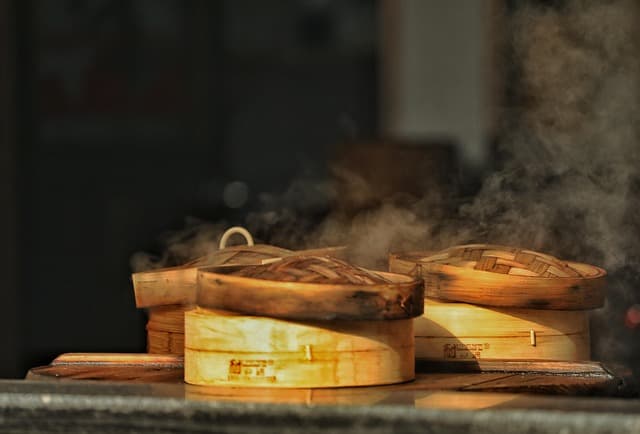
Methods: frying, steaming (dim sum is especially popular), quick frying.
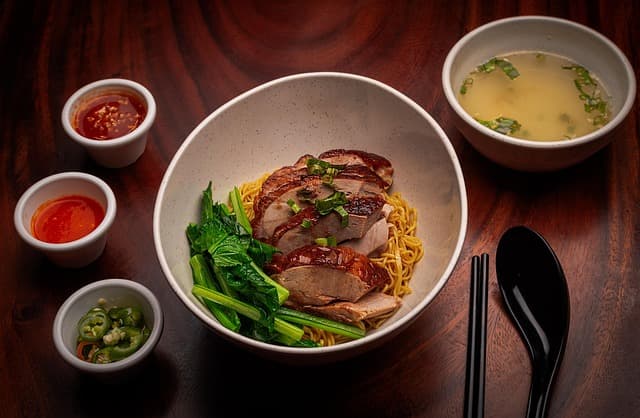
Examples of dishes: dim sum (点心), Cantonese roast duck (烤乳猪, Char Siu), fresh fish with ginger and onions.
Features: this cuisine is very popular outside China, often perceived as “typical Chinese restaurant” food, and suits tastes that are not overwhelmed by spices.
Shandong cuisine
Region: Shandong Province in northeastern China (coastal).
Flavor profile: distinctly salty, clean flavors, rich broths and soups, significant use of seafood.
Ingredients and methods:
Raw materials: seafood, poultry, grains (wheat, oats, millet) — as rice is less common here.
Methods: frying, boiling, stewing, roasting, extensive use of vinaigrette/vinegar.
Examples of dishes: sweet and sour carp (糖醋 鲤鱼), braised chicken (“德州扒鸡”), seafood soups.
Features: one of the oldest cuisines in China, greatly influenced imperial state banquet cuisine.
Jiangsu and Zhejiang cuisines
Region: Yangtze River Delta — Jiangsu (江苏) and Zhejiang (浙江) provinces.
Flavor profile: emphasis on freshness, light aromas, often slightly sweet, with a delicate balance.
Ingredients and methods:
Raw materials: river and lake fish, shrimp, bamboo shoots, tea leaves.
Methods: stewing, slow cooking, soup making, skillful cutting and presentation.
Examples of dishes: “西湖醋鱼” (West Lake Fish in Vinegar Gravy) – Zhejiang, sweet and sour dishes from Jiangsu.
Features: Yangtze Delta cuisine is considered “gallant” and elegant, often associated with banquet cuisine and high-end service.
What is important to remember when getting acquainted with Chinese cuisine
Don’t limit yourself to the dishes served in “Chinese restaurants of the month in your city.” Often, only one or two regional styles are represented there (usually Cantonese or Sichuan), which does not reflect the full richness of Chinese cuisine.
If you want to understand the “flavor” of a particular region, look for characteristic dishes: for example, for Sichuan — Mapo Tofu; for the Cantonese region — dim sum and fresh fish with a minimum of spices; for Jiangsu/Zhejiang — light stewed fish or dishes with an “icy freshness” sensation.
When cooking at home, you can start with something simple: choose a region, study a couple of recipes, pay attention to the method (frying vs. stewing vs. steaming), spices (spicy, mild, sweet), and ingredients (fish, seafood, wild herbs).
Keep in mind that the roles of spices and methods today can be adapted for “export”: Chinese food outside of China is often sweeter or fattier than the original.
In short, Chinese cuisine is a microcosm of regions, where each region offers its own flavor “message” on the plate, telling you where the ingredient came from, how it was prepared, and what mood/perception it creates. Understanding these regional differences not only deepens the gastronomic experience, but also helps to see that a Chinese “Chinese restaurant” can be very different depending on which region is cooking.